Category Archives: Uncategorized

Get the party started

The Vietnamese clearly know how to throw a good party and if the attention to detail they are putting into the rehearsals is anything to go by, the event itself should be spectacular. Mind you, that is if there is anyone left in Saigon apart from the Communist Party faithful, to enjoy the show. Many workers take advantage of the public holiday to visit relatives outside the city.
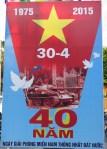
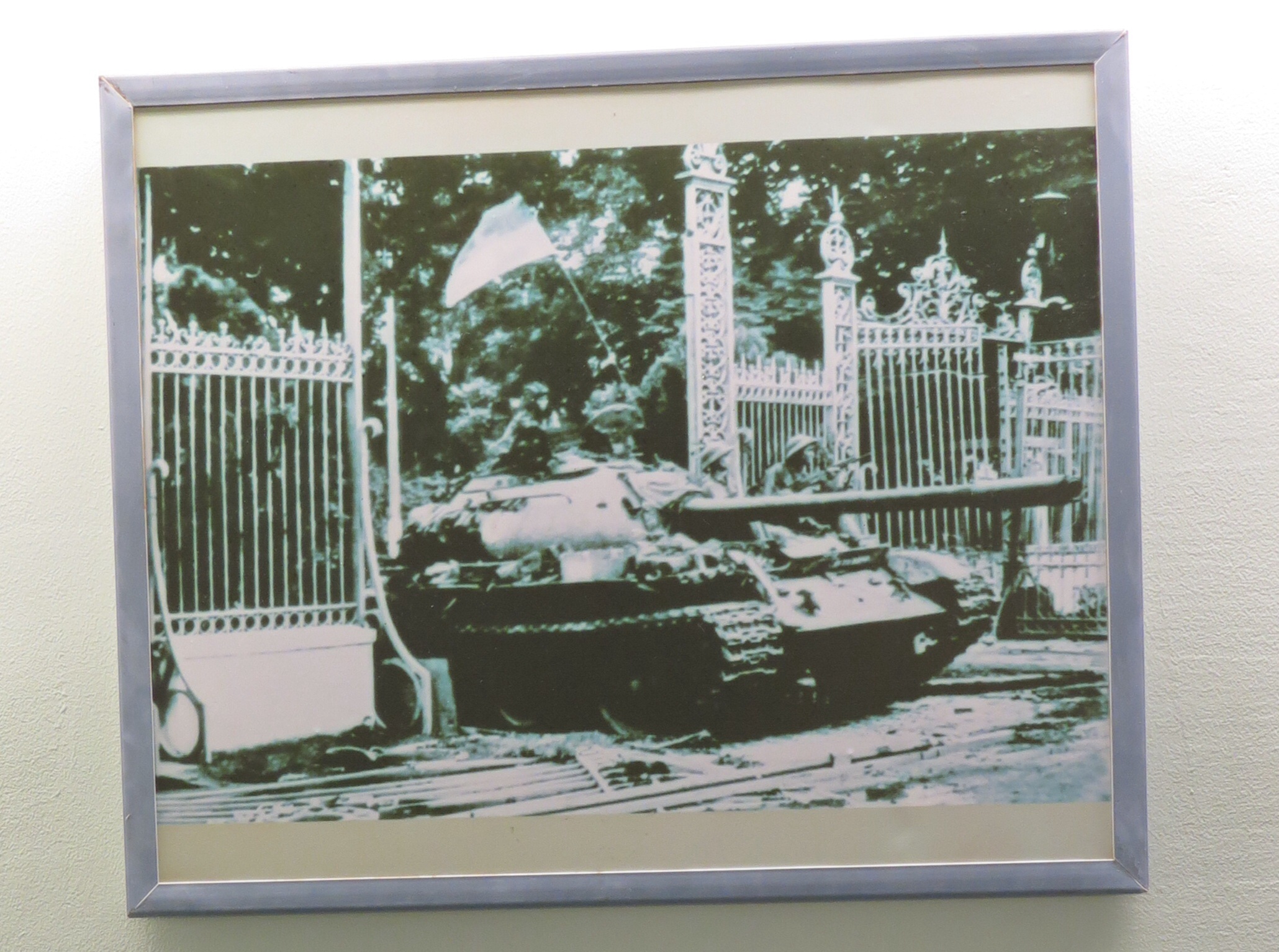
April 30 is Reunification Day in Vietnam. It was at 10.30 in the morning on that day in 1975 that a tank from the North Vietnamese army bulldozed imagedown the gates of the home and work place of the President of South Vietnam, effectively ending the Vietnamese War, or the Resistance War against America as it is known locally. By July of the following year, Vietnam was once again a single unified country.
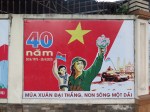
Since then the last day in April has been a public holiday – one of the 18 that the Vietnamese enjoy over the course of the year. It is a day when the emphasis moves away from the capital city of Hanoi, south to Saigon or Ho Chi Minh City as it was renamed in 1976. This year on the 40th Anniversary, the authorities are pulling out all the stops and rehearsals began nearly two weeks before the big day. The road in front of the Reunification Palace has been closed and staging ready to hold thousands has been erected. Every morning and evening (even the Vietnamese respect the heat in the middle of the day) hundreds of performers sit around waiting for their turn to rehearse. Music, blaring from dozens of loudspeakers starts, stops and starts again as the the Vietnamese equivalent of Danny Boyle choreographers the action. Soldiers march on cue and wave flags, golden floats as yet bereft of passengers or bunting are towed up and down by cars yet to be transformed into dragons or other mythical beasts. With heads fifteen feet above the ground, stilt walkers stride past, apparently oblivious to the organised chaos taking place below them.

The attention to detail is impressive as are the rows of lights that are strung between lamp posts along the roads leading to Reunification Square, the focus of the celebrations. Heaven only knows how much it is all going to cost. Still the Vietnamese have been quick to follow their communist neighbours China in embracing capitalism with Dunkin Donuts, only recently arrived in the country, the proud sponsors of the light show!

Smile please

In the last ten years marriage has become big business in Vietnam. Las Vegas style wedding palaces have sprung up on the edge of most cities – there were at least four on the main road heading south from Da Nang airport towards Hoi An. These venues which are simply huge, specialize in big glitzy weddings and are quite capable of accommodating  hundreds of guests in multiple venues, all under one roof, at any one time.

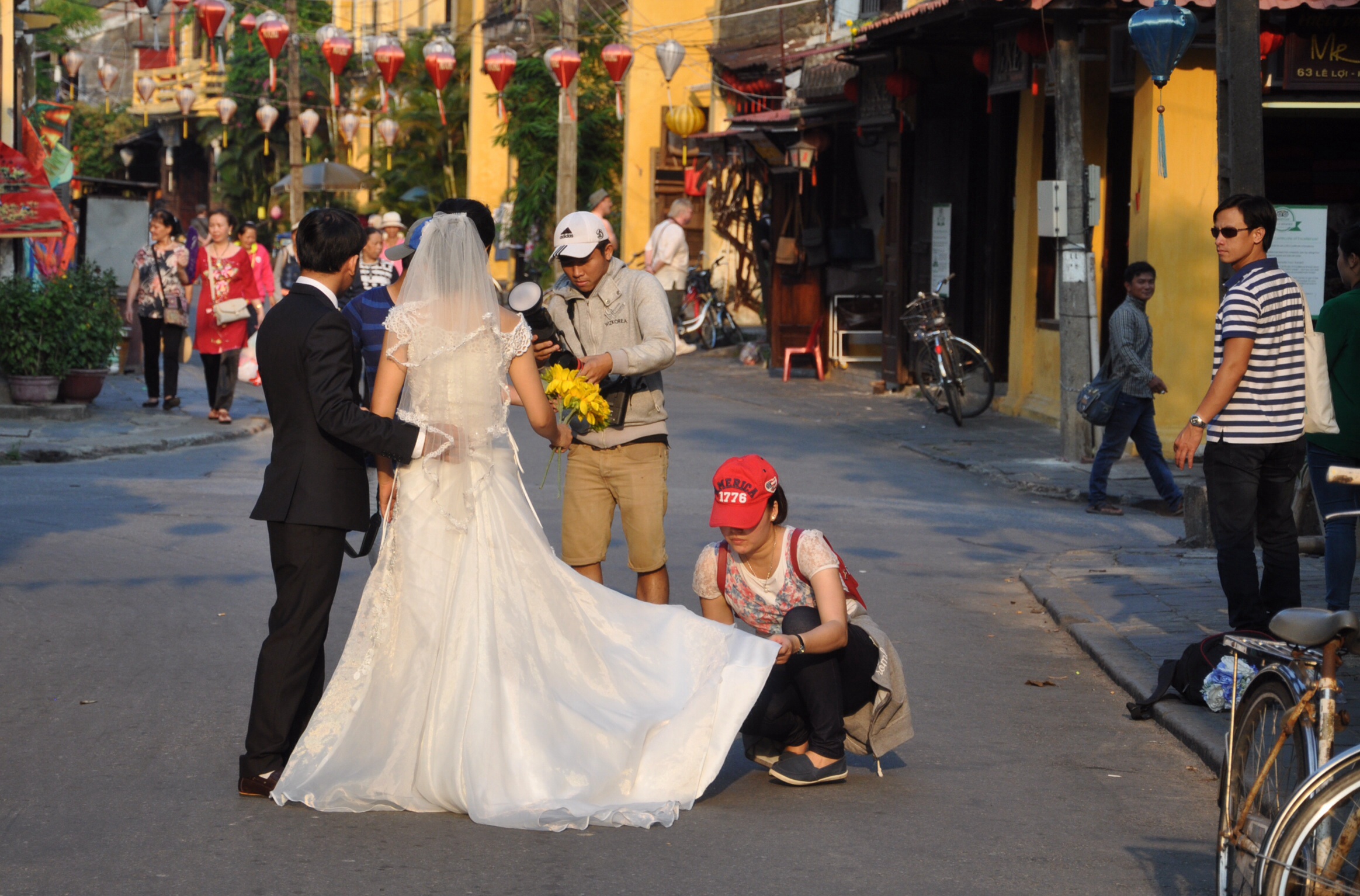
The potential for confusing ones nearest and dearest friends and loved ones is considerable. However, a simple and effective solution thought of half a dozen years ago by a sharp minded bride or groom has now spawned a whole new industry – the pre – wedding photo. This is an image that the happy couple will enlarge to nearly life size and have hung outside the relevant reception venue so that not even the most myopic of guests will crash the wrong wedding.

Hoi An with its fusion of Asian and European influences has quickly proved to be very popular with young Vietnamese couples living in the Central region. The ‘shoots’ take place up to three months before the wedding day itself and many choose to pose in the actual outfits that they will wear for the real ceremony. Lasting up to several hours, the happy couple are escorted around the pretty streets of the old quarter pausing wherever the photographer and his assistant thinks they can get a good shot. Tourists add to the sense of fun and occasion by crowding round taking snaps of their own.

For some couples, it all seemed to last just a little bit too long. Excited, extremely youthful, photographers encouraging just one more tired smile from their clients as the sun began to set. Oh well, not long before they have to go though it all over again in front of their real friends and relatives.

image

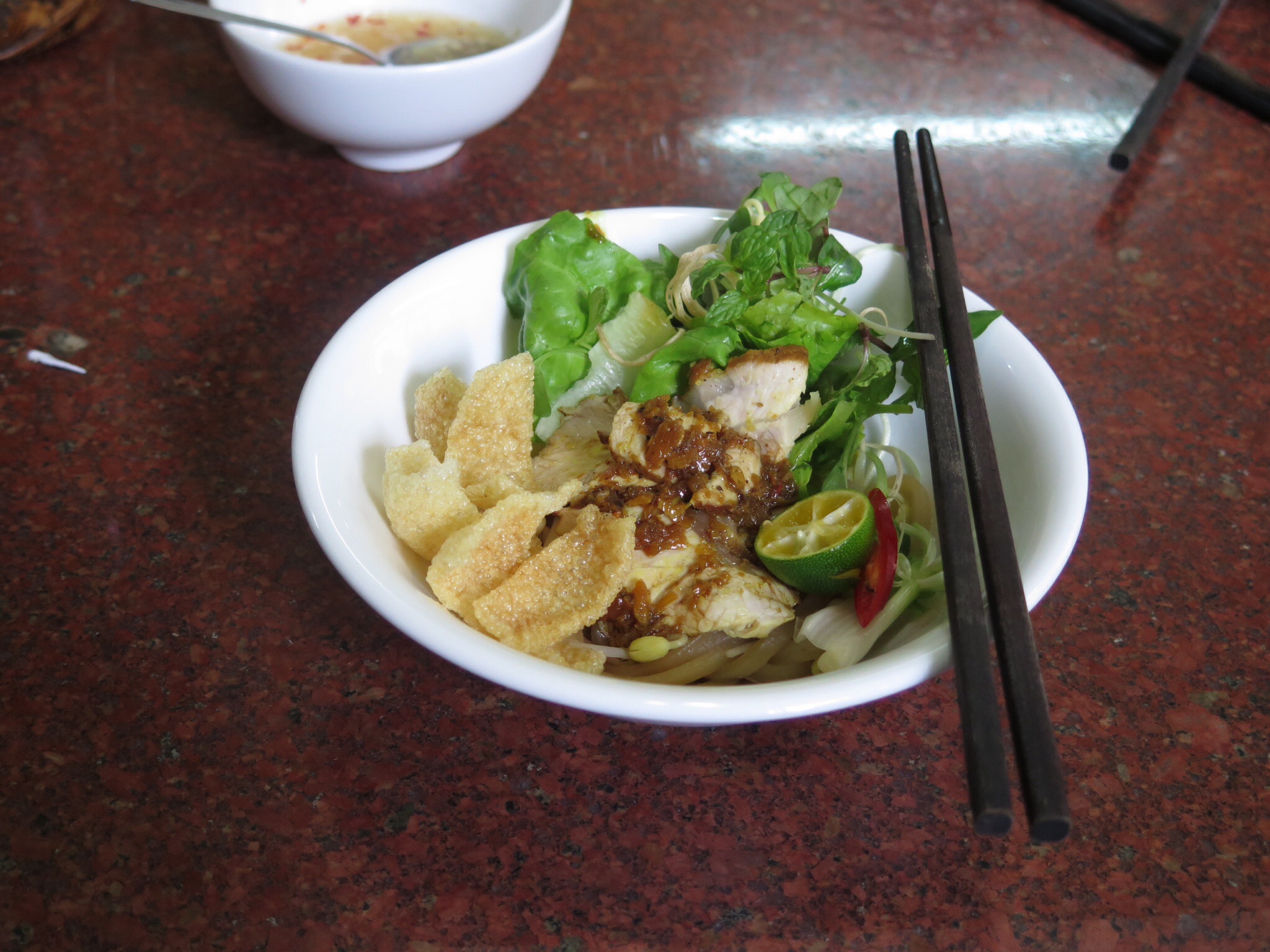
Cau Lao

imageIngredients:

Marinade:  Garlic, shallots, turmeric, lemongrass, five spice, honey, soy sauce.

Meat: Loin of Pork.

Noodles: Special Cau Lao noodles.

Dressing: Vietnamese mint, bean sprouts, Thai basil, rice crackers, spring onions, chili.

Create a ‘paste’ from the dry ingredients in a pestle and mortar. Make sure the woody parts of the lemongrass are removed and it is very finely chopped. Place into a bowl and add honey and soy sauce. Rub all over the meat and leave for at least 30 minutes.

Brown the fleshy part of the meat but leave the skin uncooked. Combine the remains of the marinade with the cooked meat and add water to make a stock. Bring to the boil and cook for 45 minutes. The sauce will reduce and the flavours intensify.

When ready to serve, slice the pork very finely against the grain of the meat. Lay onto the quickly cooked noodles and bean sprouts. Add stock and then dress with mint, basil, spring onions, chilli and rice crackers.

Cau Lao is the signature dish of Hoi-An. What sets it apart are its thick brown ropey rice noodles. Only one family makes these noodles for Hoi-An and the surrounding region and the recipe is a closely guarded secret. Rumour has it that the water they are cooked in comes from a secret well and that ash is added to the ingredients to give the noodles their distinctive smokey appearance and taste.

Cau Lao was also my dish of choice at the Bamboo Cuisine Cookery School, one of many that are run in and around Hoi-An.

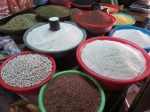
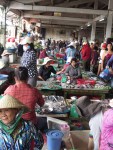
Van, our gracious host and teacher took us first to the river side market to buy our raw ingredients. No double packed, vacuum sealed boxes here, no chiller section for the meat and vegetables certainly did not come  wrapped in plastic as they can do in the UK.  All the fresh produce is brought in and shopped for daily, sometimes twice daily. Many Vietnamese still do not own fridges and many perishable products have to be bought and consumed soon after purchase.

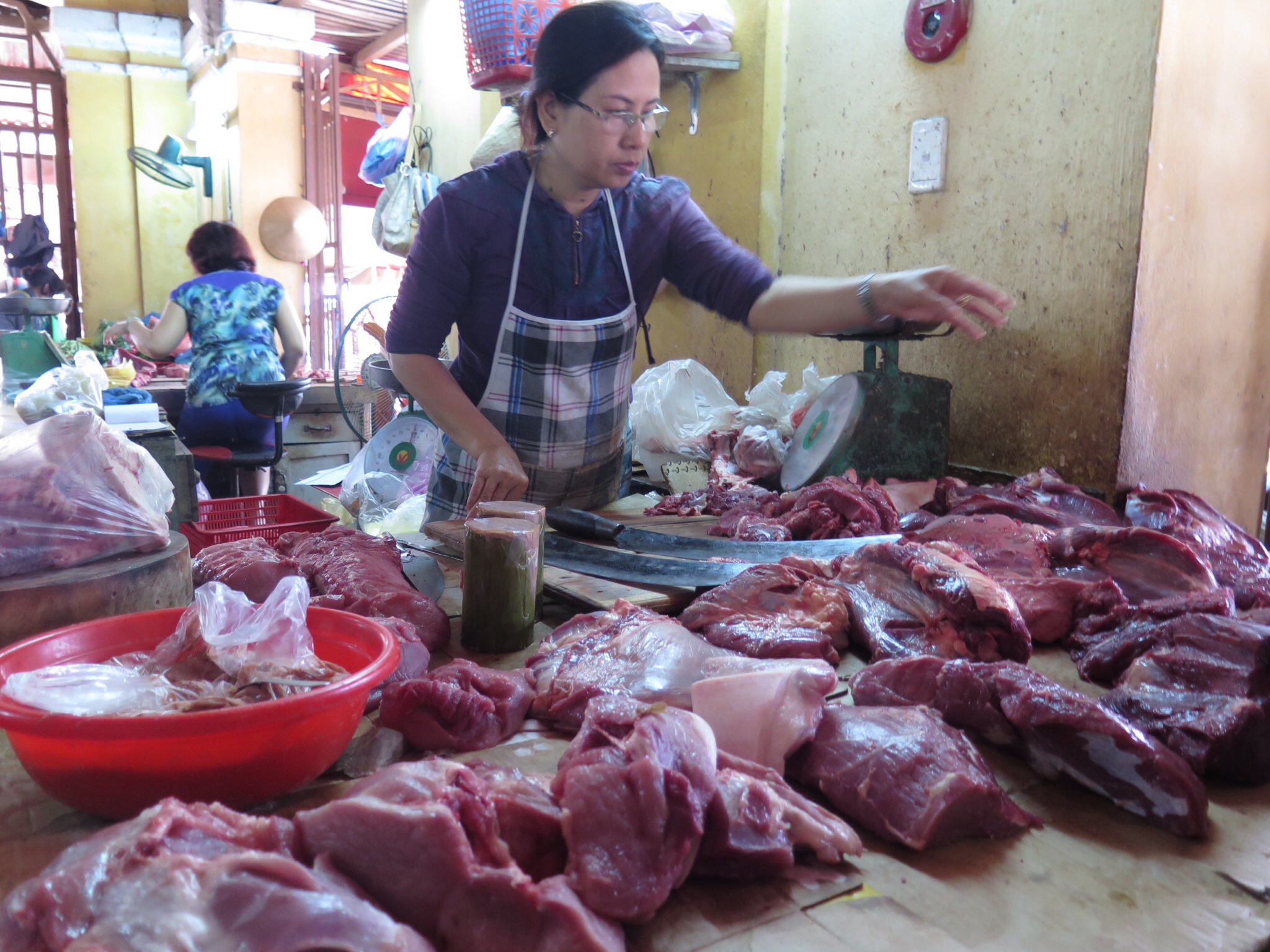
imageMeat is killed in the very early hours of the morning and brought straight to the market to be  butchered. It is ready for sale by 4 am and the big hotels in particular will send drivers to pick up their needs for the day. By 8am it has all been sold. There was no doubt that we were going to eat the freshest meat available.

Baskets were soon filled with everything we needed. Coconut water and coconut shavings to make coconut milk from scratch. Rice noodles, lemongrass (lots of lemongrass), rice, papaya, mango, shallots, garlic, fresh herbs and spices – lots of the most aromatic spices. And couple of chili peppers. The Vietnamese consider the best food to taste fresh and aromatic. Heat in the form of chili  is often added individually according to taste.

Van runs her cookery school from the home she has lived in since birth. Every class member cooks a dish of their choice from a list of over 45 recipes. Imagine how long it took for the men of the group to make a decision.

11 cooks, 11 dishes all carefully choreographed by Van. We all prepared our dishes together, peeled prawns, created pastes and marinades before taking it in turns to cook before our peers. As one person put it – it is a lot more intimidating this side of the bench!

imageTwo hours later we had produced and tasted, a staggering array of fresh, delicious food and of course all of us vowed to use our newly acquired skills and complimentary cookbook to amaze our friends.

Now where am I going to get Vietnamese mint, Thai basil and smoked Hoi-An noodles in East Dulwich?

Halong Bay Fishing Villages

There have been fishing villages in Halong Bay for generations but they now face a number of threats which puts their future in considerable doubt.

As tourism flourishes so does pollution, with the hundreds of tourist ‘ junks’ that ply the waters of the bay being less than scrupulous with the disposal of their waste. The villages themselves are partimagely to blame. There is after all no weekly rubbish collection nor are the boats and houses connected to the mains.

Also of concern is the recent increase in both the frequency and intensity of storms which blow through the bay damaging boats, house and fishing nets. There are many who believe that climate change will only make this particular problem worse.

The Government is also concerned about the sustainability of this way of life and although in the short term has encouraged the villagers to embrace the tourist industry is seeking in the long term move the fisherman off the waters of the bay permanently.

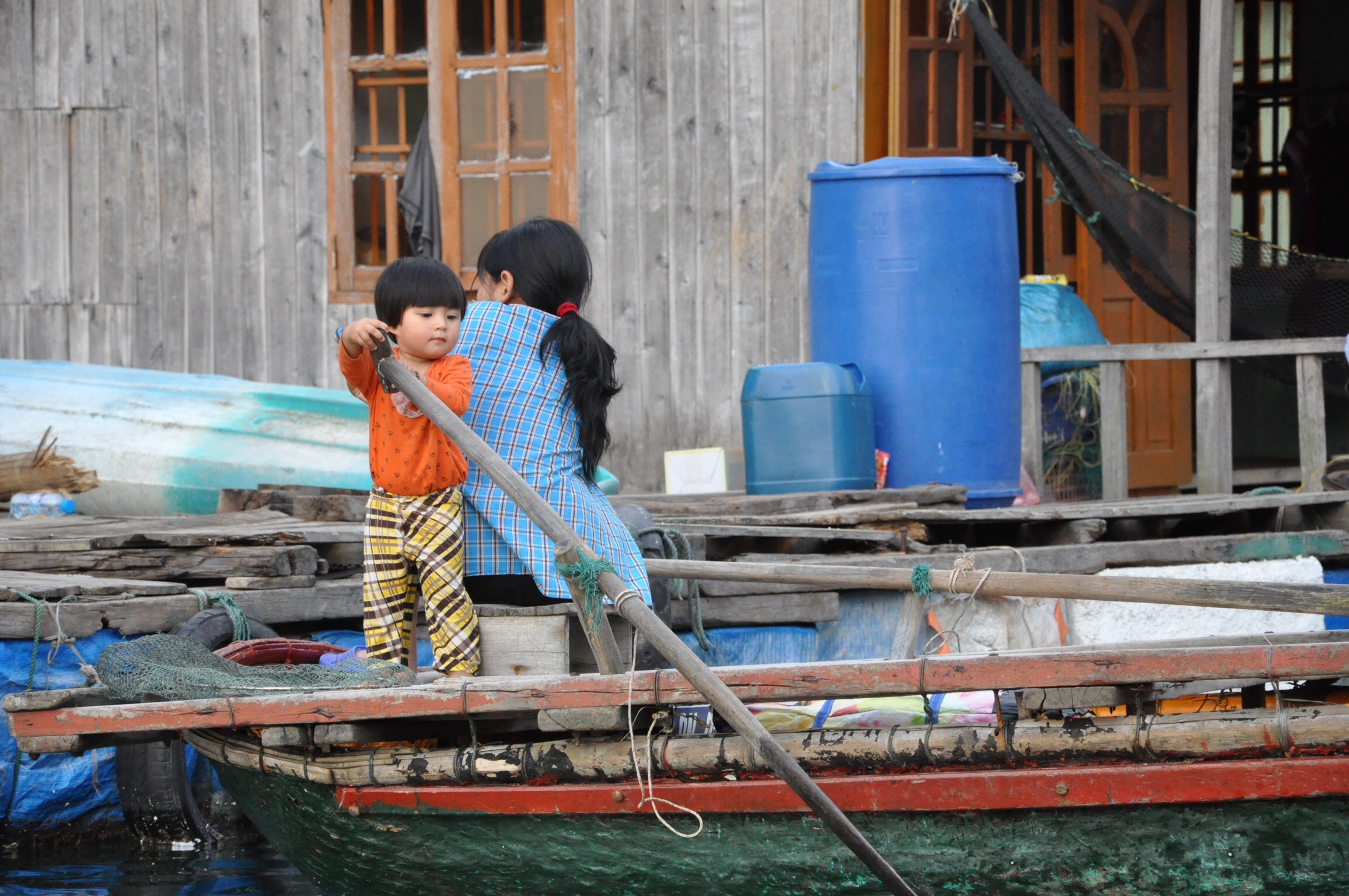
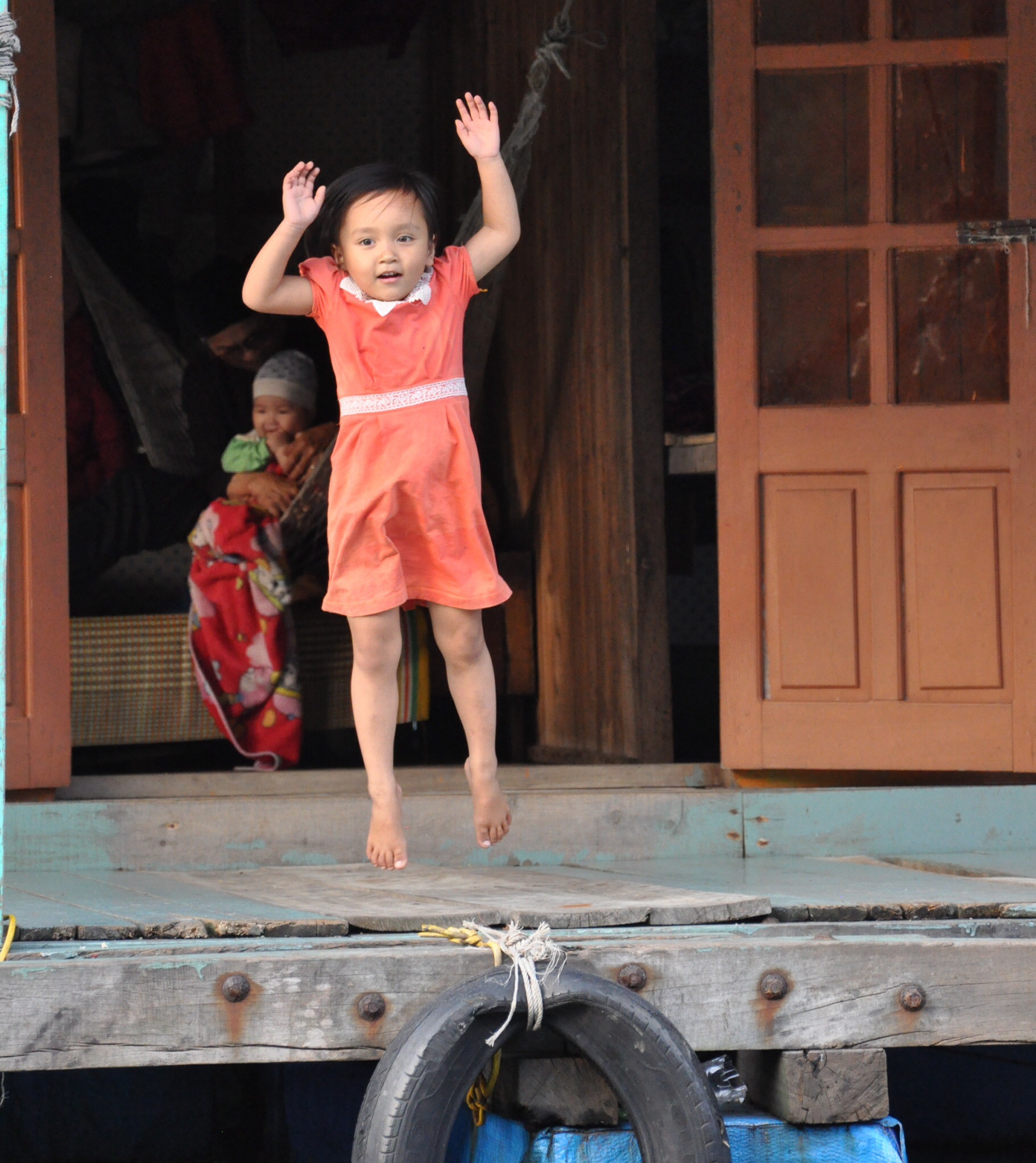
We visited Cua Van, the largest of the 4 villages, some 30km from the mainland and home to nearly 700 men women and children who live on board a mixture of boats and floating wooden houses. Some of the villagers act as guides, ferrying tourist groups around the village in traditional flat bottomed wooden sampans. They will also take your photo as you leave your boat and have it printed before you can take off your life jacket.

imageThe Government has already set up an education programme to encourage the fishermen to take up the offer of a free house with an accompanying plot of land. However, if this initiative is not successful many fear that the authorities will step in and start enforcing evictions.

Whatever form the ‘migration’ takes, this gentle and fascinating way of life seems set to disappear within a few generations.

image

Halong Bay

The Vietnamese have pumped billions of dong into developing Halong Bay city as a tourist resort. Building is going on everywhere and the beach front is starting to resemble the Spanish Costas. You would not come to Halong Bay for a beach holiday though – there are far better beach resorts in Central Vietnam. The real draw are the 1996 limestone peaks that reach out of the waters of the Bay like ‘dragons teeth’.

image

Every day at around noon at least two dozen, three masted junks leave the dock side for the most gentle of two day, one night cruises through what is quite simply stunning scenery. It is no wonder the area was awarded World Heritage Site status in 1994.

The junks are now all painted white after the authorities stepped in to smarten up the industry and vary in size from only half a dozen beds – they really are like floating hotels, to those like ours which hold thirty people in quite considerable comfort.

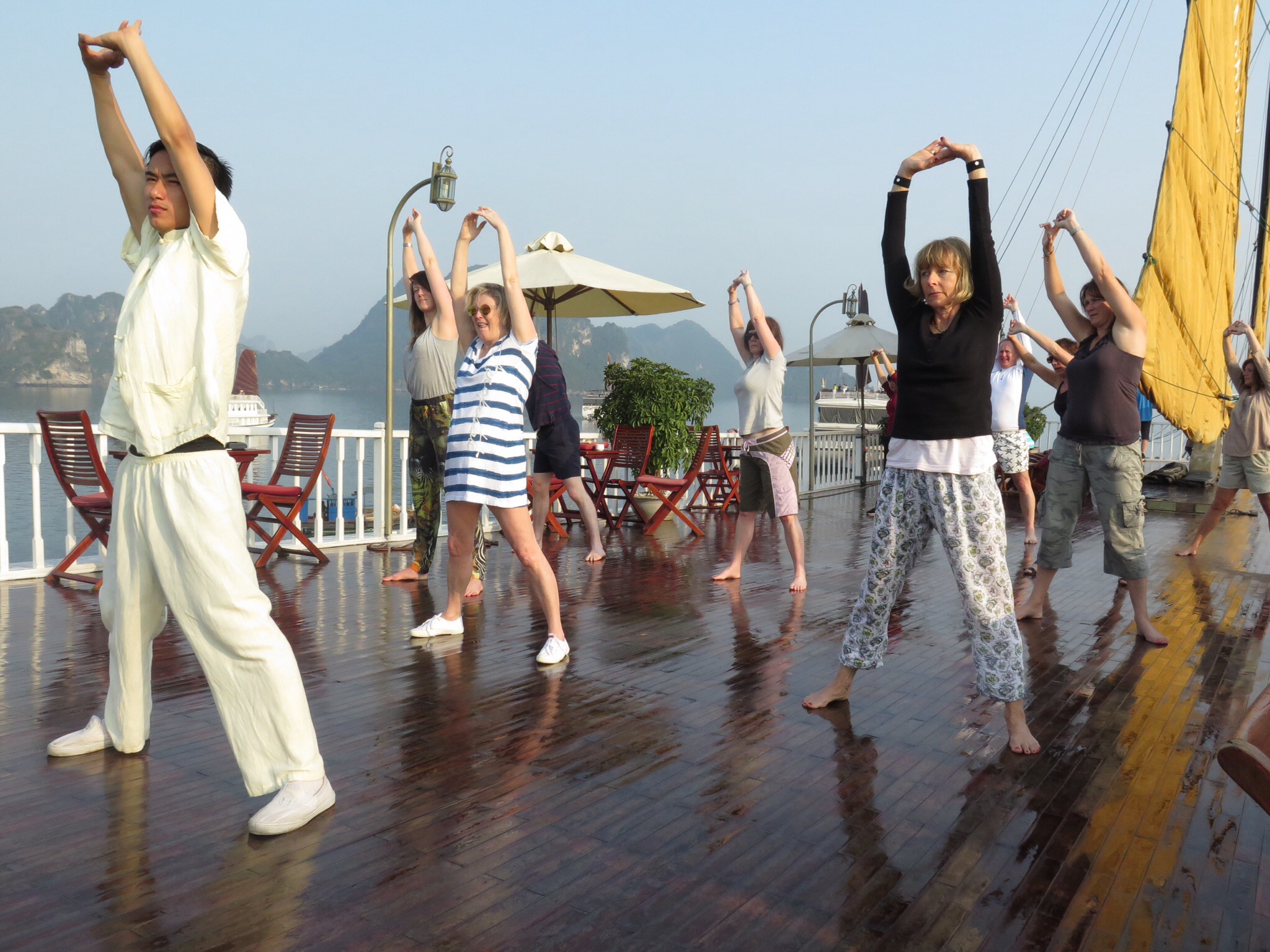
To say the pace is leisurely would be an understatement. The boat never travelled much faster than walking pace and the scenery simply glided by. Sunset and sunrise were both stunning and while I could take or leave the ‘how to turn apples into swans and carrots into flowers’ culinary demonstration I was much more taken with the early morning Tai Chi session on the top deck.

image

Almost on cue the flotilla of boats moved as one back to base. The companies run an efficient and certainly profitable service – on any one night there can be anything up to 700 people in the bay on 25 or so boats. Yet at no time did we feel a sense of overcrowding. I wonder how that will change as the Vietnamese tourist agency continues to exploit possibly it’s best asset.

Back to Hanoi and another three hours of playing chicken on the insanely busy one lane road that currently joins it to Halong Bay. Of course there were the inevitable stops – first at a cultured pearl showroom and then at a workshop selling marble sculptures, embroidery and lacquer work. I resisted the temptation to buy a two metre tall stone Buddha.

Anyone for a dance?

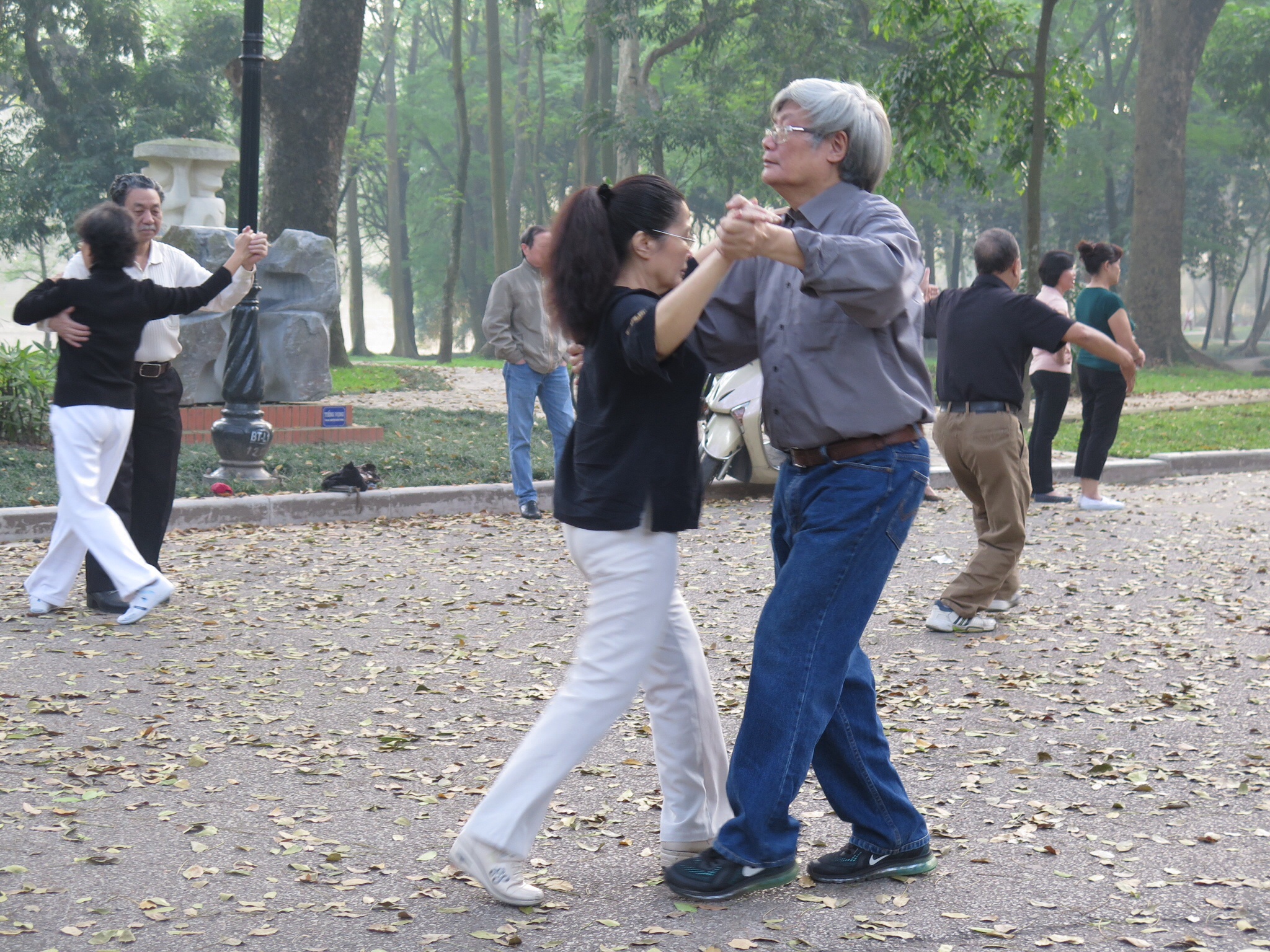
The Botanical Gardens in Hanoi are an excellent way to take a break from the onslaught of the surrounding city streets and it is one of the very few green open spaces that Hanoi has. We visited at 6.30 in the morning when it was already busy with hundreds of people taking part in everything from Tai Chi through to badminton where the ‘net’ was little more than a string tied between two trees, to aerobics, dancing ( ballroom and Latin American) and shuttlecock – a game much like badminton except that the shuttlecock is three times the usual size is kept aloft by feet not racquets!

image


Lunch

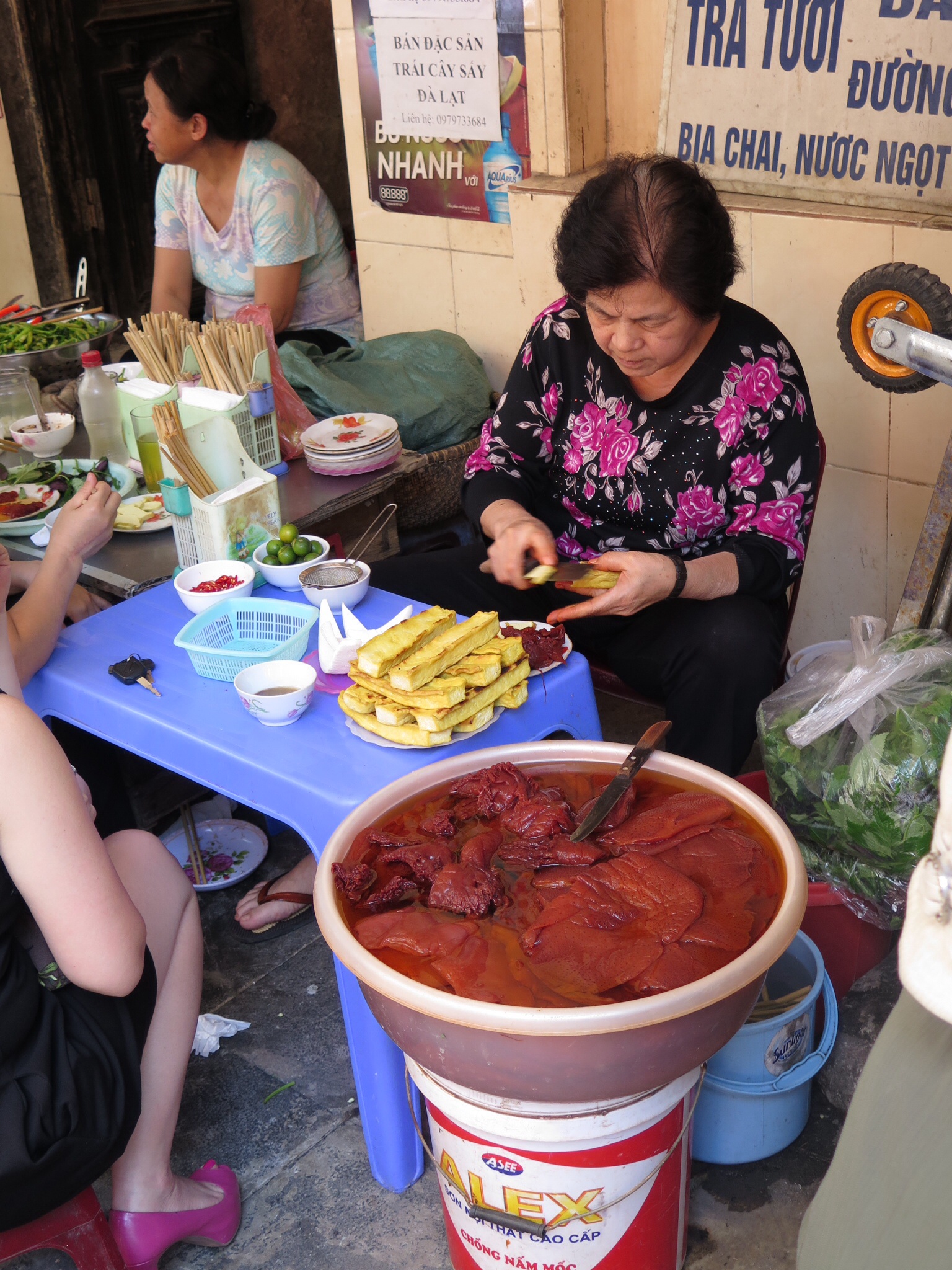
Take your pick from soft shelled turtle, frogs,  cat fish, eels, sturgeon and squid. All of which can be found in the fresh  (alive) fish / meat counter at the Cho Don Xuan market in Hanoi. The surrounding streets are full of cafés and restaurants that make good use of their proximity to such fresh ingredients. This one whipped up a simple salad of red jellyfish, fried tofu and coconut shavings. Delicious. image

Ho Chi Min

Ho Chi Minh was perhaps Vietnam’s greatest communist revolutionary leader. He was Prime Minister and President of the the Democratic Republic of Vietnam between 1945 and 1969 and was an inspirational figure in the fight for a unified and communist Vietnam.

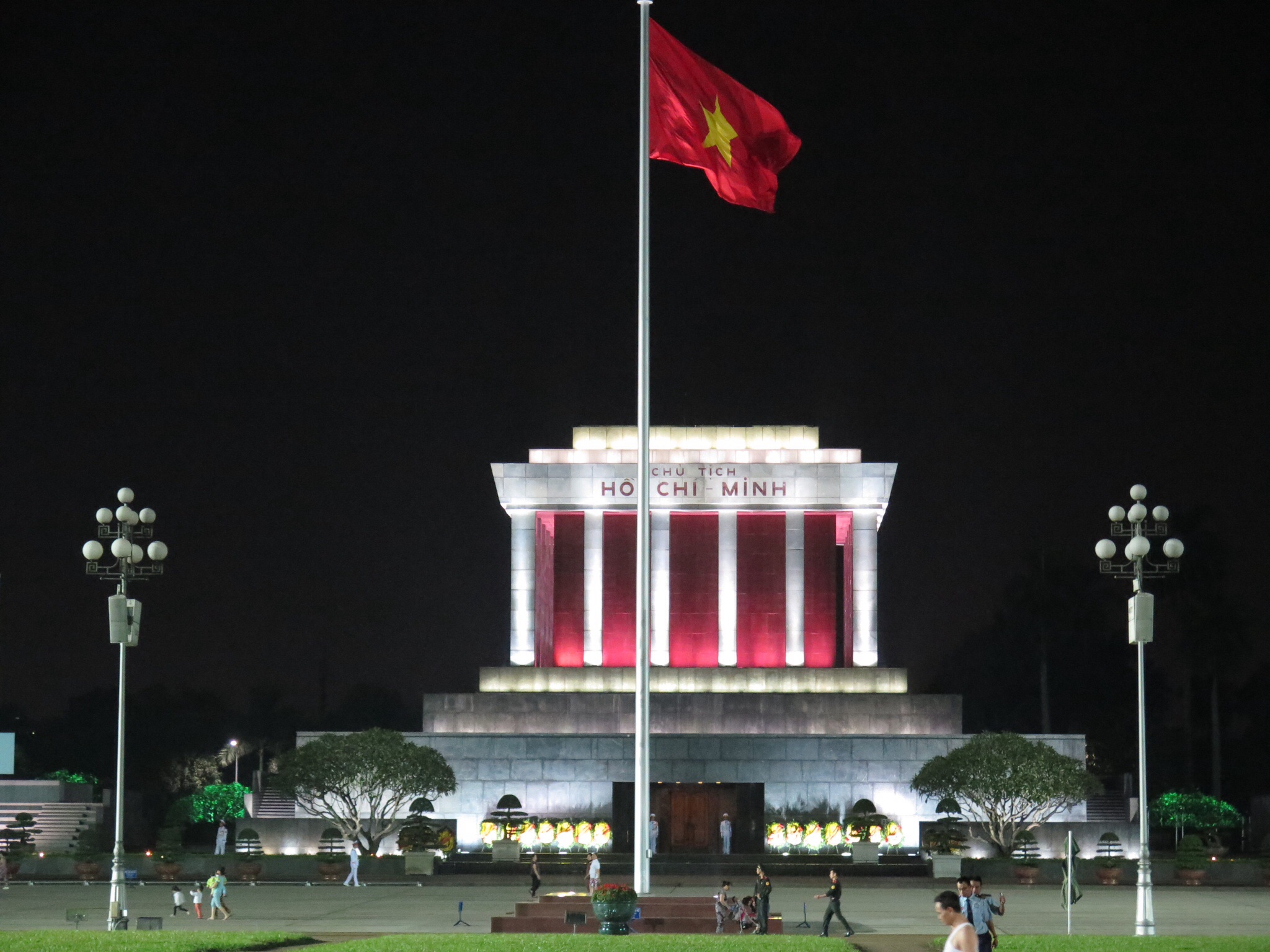
On his death in 1969 his body was embalmed despite his clear wishes to be cremated . Six years later In 1975 he was placed in a purpose built mausoleum in Ba Dinh Square where he has remained ever since. The imposing  granite structure is open for just three hours a day for the people of Vietnam to come and pay their respects. Of course a visit to see Ho Chi Min is now firmly on all tourists itineraries and local and visitors alike join what at times can be a lengthy queue.

At 6 am every day in front of a dozen or so respectful citizens, the national flag is hoisted over the square and the national anthem played. After this brief ceremony the mausoleum is readied for its visitors. The red carpet (actually a roll of lino) is unrolled and a canopy erected – it can easily reach 30 degrees during the summer. Visitors are allowed in from 8 am and the queue builds quickly. There may be no entrance fee but the Vietnamese take no chances with security and all bags have to go through airport style screening. The queue moves slowly but steadily and the army guards who are responsible for both security and organisation are not slow to speak sharply to those who are not moving quickly enough or who have failed to get into twos – remember primary school?

After an hour and a half we arrived at the mausoleum doors. The temperature dropped sharply as soon as we crossed the threshold. Ho Chi is kept at a steady 9 degrees. Hats had to be removed and we climbed 22 stairs  turning  right into the Presidents final resting place.

Guards were at all four corners of the room although one had the honour (?) of directly facing Ho Chi Minh for the duration of his shift. We passed by in silence – all of us unable to take our eyes of this once great man. Inevitably there were those who slowed for a more lingering look but they were firmly but politely moved on by the guards. Sixty seconds later it was over and we were back blinking in the bright April sunshine. Was the 90 minute wait worth it? Absolutely.Guards were at all four corners of the room and one had the honour (?) of facing Ho Chi Minh for the duration of his shift. We passed by in silence – all of us unable to take our eyes of this once great man. Inevitably there were those who slowed for a more lingering look but they were firmly but politely moved on by the guards. Sixty seconds later it was over and we were back blinking in the bright April sunshine. Was the 90 minute wait worth it? Absolutely. As one Australian behind me commented – you would be hard pressed to think of a Western leader who would, some 40 years after his death, command such respect that thousands of people would queue each day, sometimes for hours, for a glimpse of a man who did so much for his country.image

Mind the gap

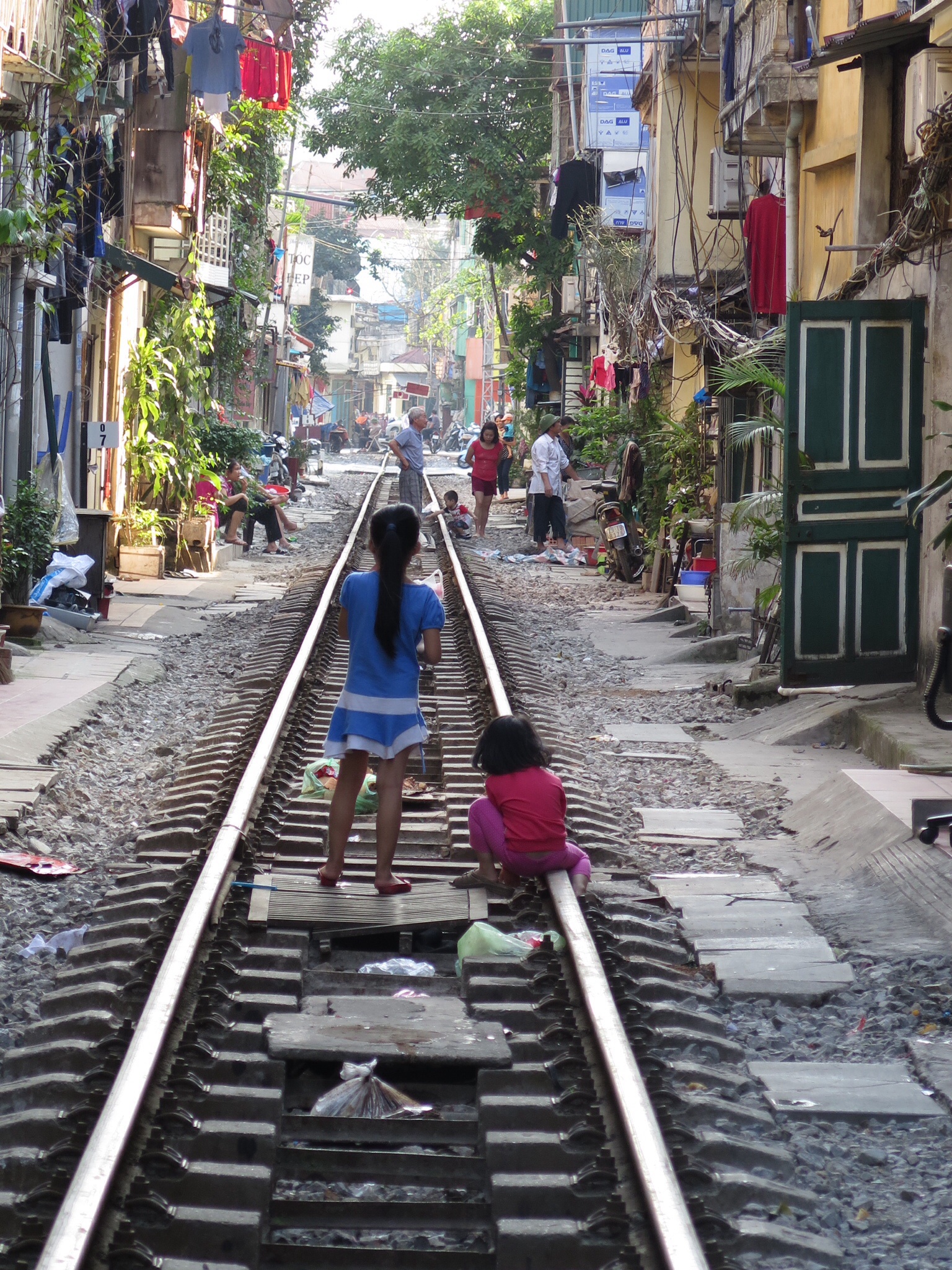
There is no metro system in Hanoi (although one is planned) and a very poorly developed ‘overground’ network which threads it’s way through the city using up as little land as possible.

imageHomes and businesses lie feet from the tracks and with the line only being used for the morning and evening rush hours they become, for at least part of the day, a useable space free from the incessant flow of traffic with the rocky track bed deterring all but the hardiest motorcyclist.


Ha Noi: Motorcycle madness

Take a deep breath and make no sudden moves when you cross the street in Hanoi. The Western model of traffic flow has no place here – this is not a city for the timid. You need 360 degree vision and an understanding that traffic lights, zebra crossings, one way streets and pedestrian only thoroughfares are part of a Highway Code that is barely a guide let alone a set of rules that are there for the safety of all road users.  One woman on seeing her way forward blocked, took a short cut the wrong way down a slip road onto a major highway. Oncoming traffic simply eased out of her way.


The city has a population of some 8 million and at the last estimate anything between 4 to 6 million scooters, mopeds and motorcycles. There are relatively few cars on the roads. Import duty approaching 100% makes them prohibitively expensive for the average citizen  and so the preserve of the wealthy and taxi companies.

The noise of two stroke petrol engines fills the air for over twenty hours a day and the rush hour stretches elastically to sprawl across the day.  As in the rest of Vietnam the moped is the  beast of burden of choice and if in the countryside they are used to carry pigs, rice and all manner of agricultural produce, in the city they serve a different master. We saw everything from 80 litres of paint to huge bags of cement and even a refrigerator perfectly balanced and speeding along at anything up to 40 kph. It is a system that acts almost organically with each part instinctively knowing how to react to almost any given situation. Accidents seem to be rare as long as everyone follows the ‘rules’ although a poorly secured sack of rice ‘did’ for a middle class women and her elderly mother. The perpetrator was more concerned for his bike.